Winter Tips for Electric Vehicle Driving
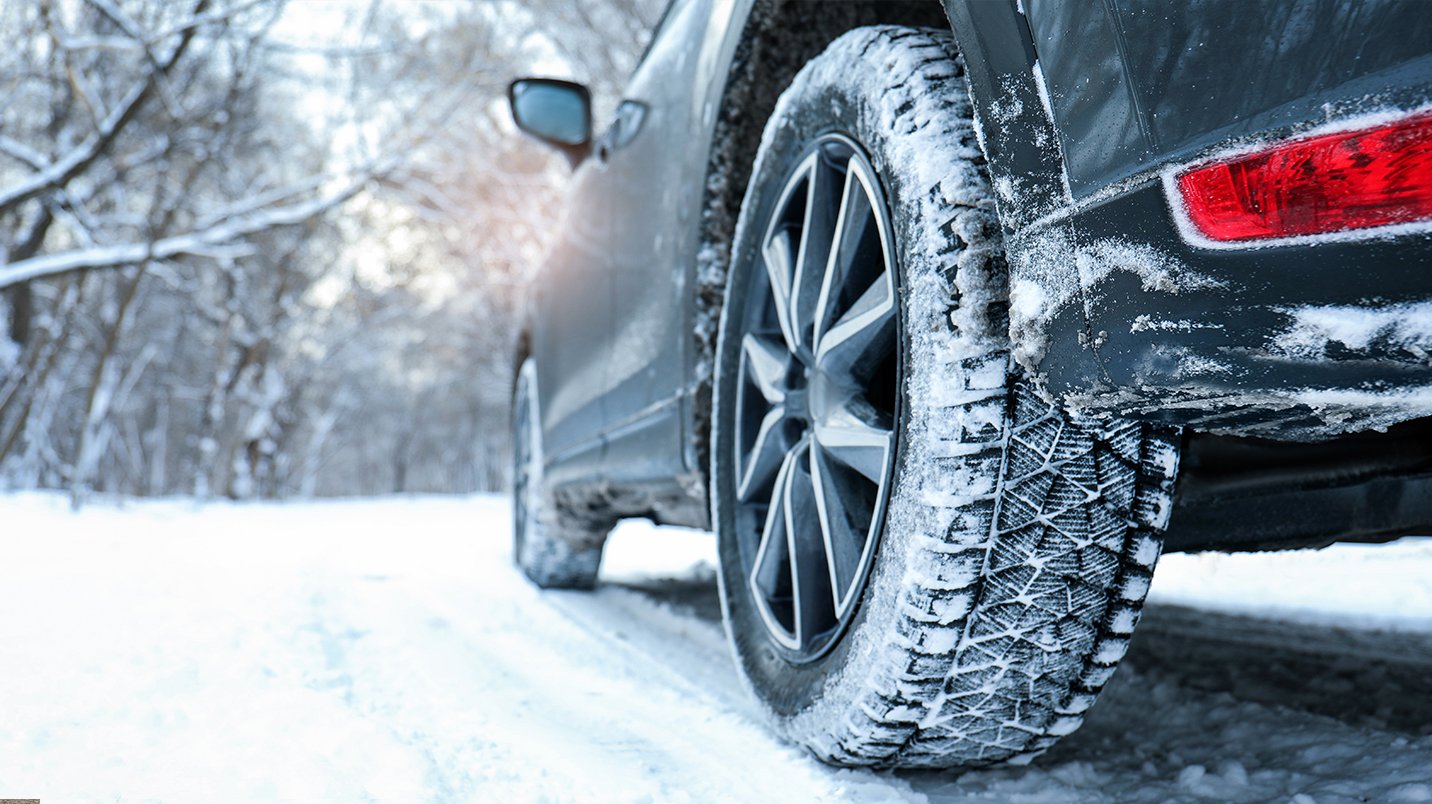
With the increasing prevalence of Electric Vehicles (EVs) on the roads, many owners will be navigating winter conditions for the first time. As the colder season approaches, preparing your EV for optimal performance is crucial. Winter poses unique challenges for EVs, particularly in terms of battery life. Here are some essential tips to ‘winterize’ your vehicle:
Precondition Your Vehicle
Before setting out in colder climates, optimize your battery temperature while charging through a process known as preconditioning. This minimizes battery drainage for heating and maximizes stored energy, enhancing overall efficiency.
Use Heated Seats Wisely
Cabin heating consumes a significant amount of energy, affecting battery life. Instead of relying solely on the heating system, use heated seats to conserve energy and extend your EV’s range.
Understand Range Variability
Cold temperatures and driving habits can significantly impact an electric vehicle’s maximum range. Comprehending your EV’s range is crucial, especially during extreme weather conditions. Consider factors like speed and temperature when planning longer routes and ensure charger stations are factored into your journey.
Maintain Fluid Levels
Contrary to a common misconception, EVs require coolant to prevent battery overheating. Regularly check and replace the antifreeze, brake fluid, and washer fluids to prevent untimely issues.
Enhance Visibility
Snow and ice can impede wiper blades, affecting visibility and adding weight to the vehicle, thus reducing range. Replace worn blades with winter-specific ones and clear snow before driving to ensure a clear line of sight.
Plan for Slower Charging
Winter conditions may result in slower charging for your EV, and total battery capacity will likely decrease. Plan by ensuring chargers are available along your route and aim to have a surplus battery charge for your destination.
Stock Up on Essentials
Be prepared for winter weather by stocking your EV with essential tools and necessities, including an ice scraper, shovel, sand or road salt, flashlight, phone charger, first aid kit, warm blanket, extra clothing, non-perishable food, and bottled water.
Protect Battery Temperature
EV batteries should be kept within a specific temperature range, even when unused. Parking your EV in an enclosed space during winter months helps prevent unnecessary battery drainage and maintains optimal performance between trips.
Safeguarding the longevity of your EV during the winter months requires specific considerations due to its unique characteristics compared to traditional internal combustion engine vehicles. Familiarize yourself with the distinct features of your EV to implement effective maintenance practices.
Related Resources
Explore more related industry news, insights, and developments.