How One HVAC Fleet Improved Readiness and Unlocked $205K in Savings
For HVAC companies, readiness is revenue. Every service call depends on a vehicle being available, properly equipped, and on the road. But staying ready for every call remains a challenge for many HVAC fleets because of disconnected operations. In practice, it can look like multiple vendors handling critical fleet programs, with fleet data sitting in different systems that do not talk to each other.
When fleets don’t have a full view of their operations, it’s harder to plan for readiness. Here’s what happened when one HVAC company decided to change that.
Running a Fleet Without a Full View
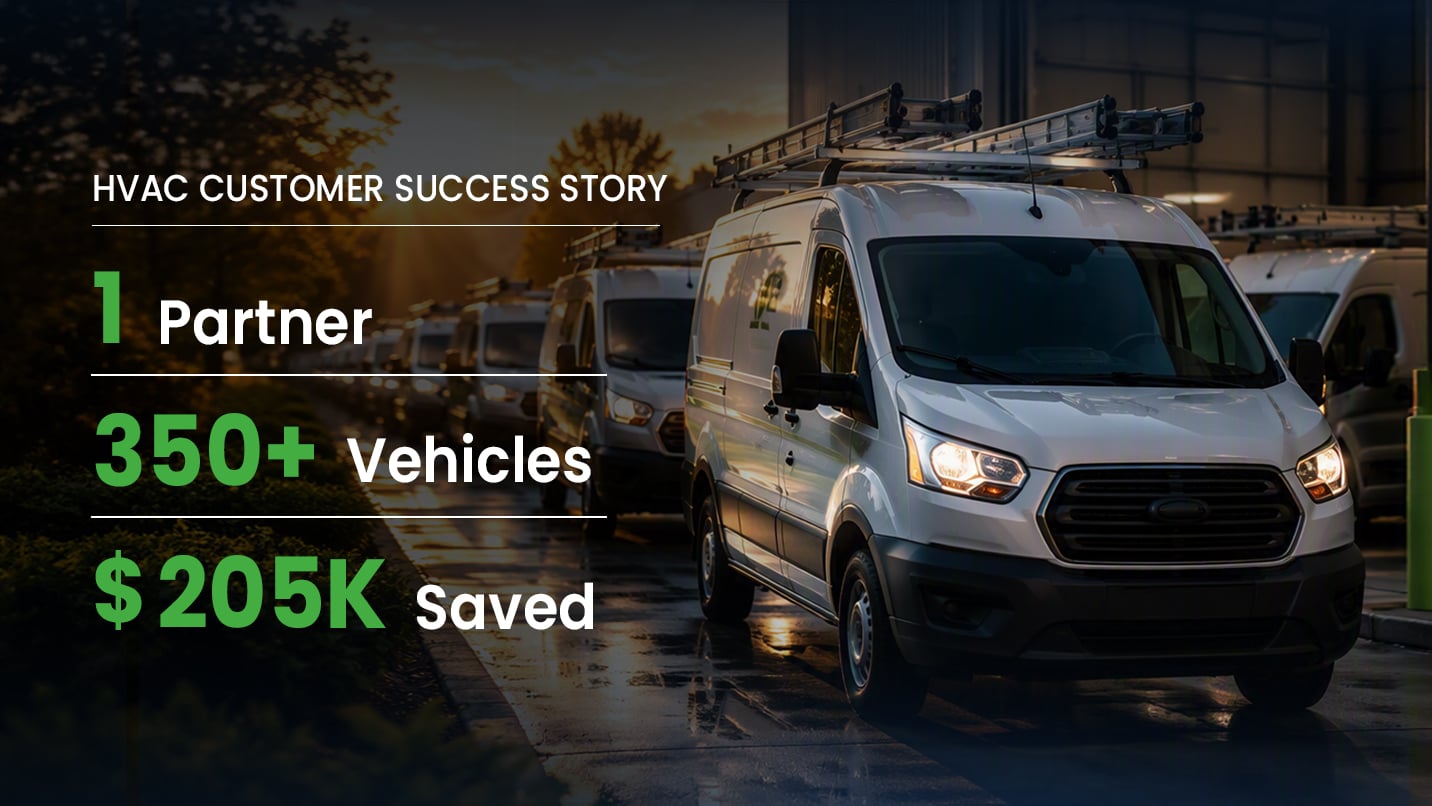
The organization in question is an HVAC company managing over 350 vehicles. Its priority was to maintain a high level of readiness year-round, but disconnected processes and multiple vendors made that a persistent challenge. Each critical fleet program worked on its own terms, and there was little connection between them.
This fragmented approach resulted in:
- Limited visibility into fleet performance
- Replacement planning based on a partial picture
- Missed cost-saving opportunities
Without a connected view, proactive planning was difficult, and the team spent much of its time reacting.
What the Fleet Needed
To address the data silos and gaps across its fleet programs, the company needed fewer moving parts that worked together efficiently. That meant:
- One accountable partner with an integrated approach to managing the programs that support the fleet, instead of separate vendors for each one.
- One source of fleet data to support replacement planning and daily decisions.
Holman met both requirements.
How Holman Brought It All Together
As one partner managing the crucial programs that support the HVAC company’s fleet, Holman:
- Established a connected data foundation. Fuel transactions, maintenance activity, and telematics data were consolidated into Holman’s fleet management platform, so the company worked from one reporting platform instead of piecing information together from different sources.
- Directed routine maintenance to Holman national-account vendors. Tires, brakes, and oil service moved to Holman’s national-account network, where pricing is negotiated in advance.
- Reinforced preventative maintenance (PM) discipline. PM schedules were tightened to keep vehicles on track and reduce costly unscheduled repairs.
With critical fleet programs managed and integrated under one roof, the company gained the visibility to make informed decisions and the structure to act on them.
The Results: Visibility, Readiness, and Measurable Savings
Increased fleet visibility: By consolidating its fleet data on one platform, the company created a single source of information to guide replacement planning and day-to-day decision-making.
34% higher preventative maintenance (PM) compliance than peer group: By strengthening preventative maintenance oversight and connecting fleet data, Holman helped the company plan and execute maintenance more proactively, keeping vehicles available.
Footnote: Benchmark based on 12 comparable fleets.
$205K in savings over 12 months: The company captured savings through order incentives, fuel discounts, national-account vendors, and purchase order savings.
From Reactive to Ready
Before the partnership with Holman, the work was reactive: chasing vendors, piecing together reports, and responding to problems after they surfaced. Now, with connected data and one partner managing the programs behind it, the HVAC company operates with structure and discipline. Replacement planning is informed by reliable data. Maintenance happens on schedule. And vehicles are ready when customers call.
Related Resources
Explore more related industry news, insights, and developments.