Order Bank Timing: Why Acting Early Is One of the Most Effective Ways to Control Fleet Costs
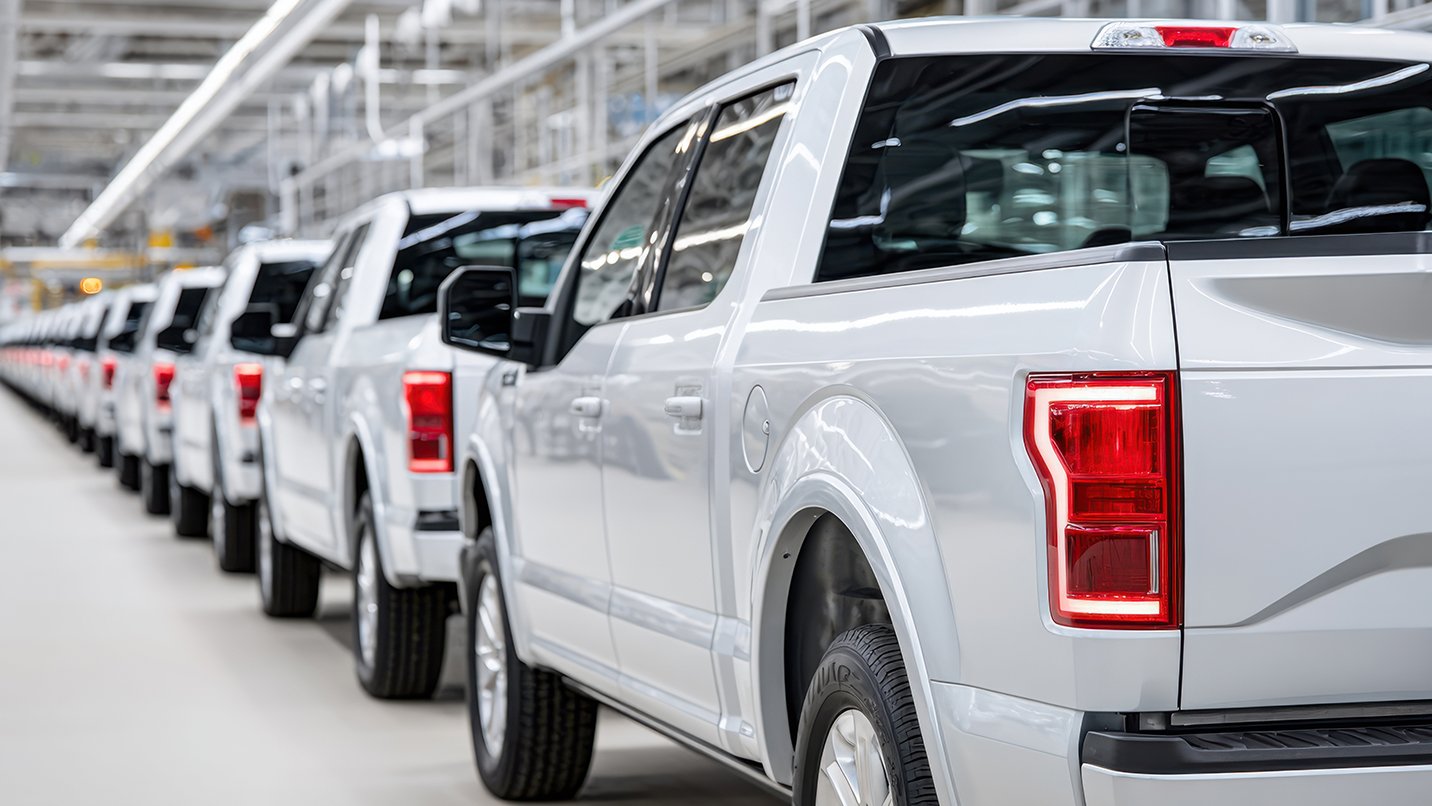
Order bank timing is one of the most consequential levers in fleet management, yet it rarely gets the strategic attention it deserves. When fleets act within OEM order bank windows, they have an opportunity to secure the specifications and timing that align with their operational needs. When those windows are missed, fleets are more likely to rely on dealer or stock purchases, which often come at a higher cost and with greater compromise on vehicle fit.
The challenge is that order banks do not wait for internal approvals, budget cycles, or stakeholder alignment. They open and close on the OEM’s schedule. Fleets that treat ordering as a procurement event rather than a planning discipline are more likely to fall into reactive decisions that quietly compound cost across the vehicle lifecycle.
This blog examines what happens when fleets miss order bank windows, how early action can help eliminate the higher costs often associated with dealer or stock purchases, and what practical forward planning looks like.
What Happens When Fleets Miss the Order Bank
Missing an order bank is rarely a single event. It’s the visible result of decisions (or non-decisions) that started months earlier, and the downstream consequences are well-documented.
Limited access to preferred specifications and configurations
When order banks close, fleets lose the ability to factory-order vehicles built to their exact requirements. Vehicles that are not fit for their intended job are more likely to experience performance constraints in the field, increasing maintenance frequency, downtime, and operational friction.
Over time, these gaps show up in total cost of ownership as a series of small inefficiencies that accumulate across the lifecycle.
Forced stock purchases at higher cost or with compromises
Factory ordering is the most economical path to acquiring new vehicles. When fleets miss the order bank and rely on stock units instead, they often pay more per vehicle and accept configurations that do not fully match operational needs.
Extended vehicle lifecycles and rising maintenance costs
Delayed replacements keep vehicles in service longer than planned, increasing the likelihood of higher maintenance spend and more frequent downtime events. As vehicles age, they tend to absorb more time, money, and operational attention to keep them in service
Over time, this introduces additional cost and planning complexity that ultimately drags down overall fleet performance.
Increased operational disruption
When replacement vehicles arrive late, operations absorb the impact. Missed lead times can mean rental costs, downtime, or disrupted services that affect the bottom line. For fleets where vehicle availability directly supports revenue generation or service delivery, every day between the desired in-service date and the actual delivery date is a day of reduced capacity.
Why Early Action Helps Fleets Avoid Higher Cost Alternatives
Acting early within the order bank cycle gives fleets more control over cost, timing, and vehicle fit.
Locking in pricing and specifications before supply tightens
Placing factory orders within open order bank windows gives fleets access to current-year pricing, full configuration availability, and potential OEM incentives. However, submitting orders before the bank closes does not always guarantee acceptance because manufacturers may lack the inventory to fulfill late-cycle orders as build-out approaches. To improve the chances of securing the right vehicles and specs on time, fleets should place orders as early as possible.
Better alignment between vehicle design, duty cycle, and application
When fleets have the full catalog of options available, they can develop specifications based on real-world use, including cassis selection, equipment fit, and operational demands This ensures requirements are addressed upfront—reducing redesign, rework, and performance issues downstream.
Reduced reliance on higher-cost stopgaps
Every missed order bank pushes fleets toward more expensive alternatives, including stock purchases, rentals, extended leases, or expedited orders. Planning within the ordering window reduces reliance on these stopgaps and supports more predictable replacement cycles and budgets.
What Proactive Order Planning Looks Like
Proactive order planning is not an annual exercise. It is an ongoing discipline that aligns replacement strategy, OEM production schedules, internal approvals, and operational needs.
Align replacement strategy 12–18 months in advance
For factory-ordered vehicles, lead time from order to delivery is commonly four to six months without upfit and eight to twelve months or more with upfit. That means specification and ordering decisions often need to happen well before vehicles reach their replacement threshold. Working backward from the need date, not forward from the budget cycle, is what separates proactive planning from reactive purchasing.
Use lifecycle, utilization, and maintenance data to inform timing
Replacement decisions should be grounded in data: asset age, mileage, downtime frequency, maintenance spend, cost-to-value ratio, and the criticality of each unit to business operations. Ranking vehicles by these indicators helps fleets prioritize which units to replace first and ensures that ordering decisions reflect actual fleet conditions rather than assumptions.
Coordinate internal stakeholders early
Order bank timing affects operations, finance, and procurement. When those teams are not aligned early, ordering windows may close before decisions are finalized. Engaging stakeholders at the start of the planning cycle helps reduce friction and protect the timeline.
The Role of a Fleet Management Partner
Managing order bank timing effectively requires visibility into OEM production cycles, allocations, and delivery constraints, along with the discipline to coordinate specifications and approvals months in advance.
Internal teams typically do not have the bandwidth to monitor order bank windows, track build-out dates, and adjust procurement strategy in real time. A fleet management partner can help fill that gap by providing the visibility, data, and planning support needed to act within those windows more consistently and maintain more predictable cost and availability over time.
With or without a fleet management partner, the fleets best positioned to control cost are not the ones reacting fastest when constraints appear. They are the ones planning early enough to avoid those constraints altogether.
Related Resources
Explore more related industry news, insights, and developments.