Tariff Update: Raw Materials & Fuel
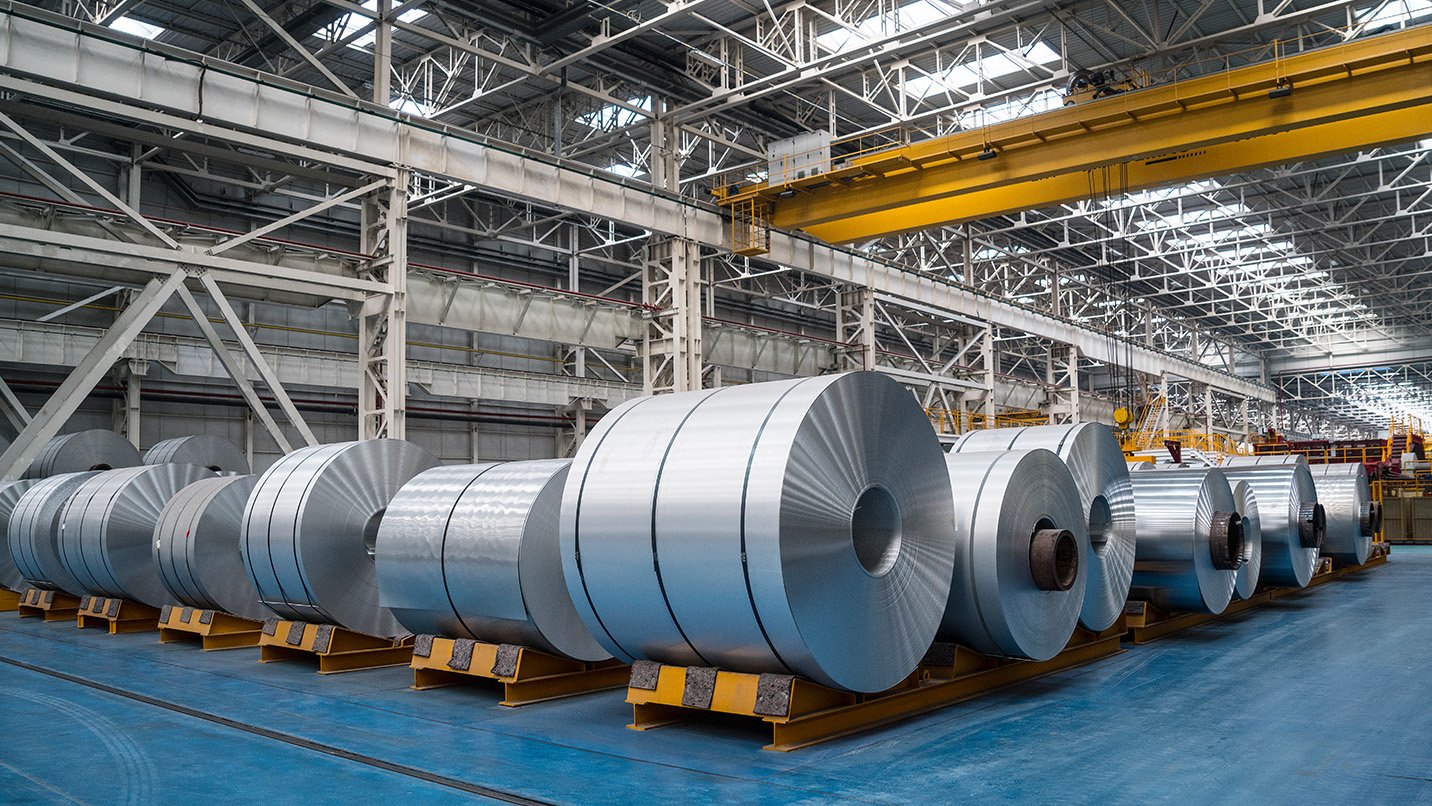
Update: June 2 – The President announced plans to increase the tariffs on steel and aluminum imports from 25% to 50%, effective June 4.
Update: March 12 – The 25% tariff on steel and aluminum imports went into effect on March 12.
As the new administration continues to implement its far-reaching trade policy, shifting economic conditions and emerging tariffs are creating uncertainty for the automotive industry and fleet operators. As part of the recently announced tariffs, the administration is now targeting steel and aluminum imports which are two of the most widely used raw materials in the production of vehicles as well as parts and upfit components. Additionally, some energy imports from Canada will be subject to a new 10% tariff.
The Latest Developments
In February, the administration announced it would impose a 25 percent tariff on steel and aluminum imports beginning on March 12. Fortunately, the domestic sourcing of these raw materials will mitigate some of the impact of these additional costs, but prices are still poised to increase for both manufacturers and consumers. The long-term impact of these new tariffs will be determined in large part by whether the domestic production of steel and aluminum can scale to meet increased demand without significant price increase.
It is also important to note that while the United States produces a significant amount of steel and aluminum, historically, domestic suppliers have also raised prices following the implementation of tariffs. This means the cost impact of tariffs may still be felt even if domestic suppliers increase production. While there is capacity to potentially increase domestic steel production (with minimal additional investment), there is limited capacity to increase domestic aluminum production and tariffs are likely to have a more direct impact on the overall cost.
Potential Impact on New Vehicles
While steel and aluminum are used extensively in the production of new vehicles, most manufacturers currently source a significant portion of these materials from domestic suppliers. On average, 75 percent of the steel and 50 percent of the aluminum used in American automotive production is produced within the U.S. As a result, the projected cost increase is approximately $300 per vehicle on average but will likely vary by model depending on the amount of steel and aluminum used as well as vehicle size.
Additional Challenges for Upfit Components
The upfit sector will likely experience a more pronounced impact from the new steel and aluminum tariffs. Manufacturing a typical truck body requires 1,500 pounds of steel on average. Tariffs are poised to increase raw material costs by an estimated $300 for each truck body. However, the exact increase may vary significantly depending on the specific size and composition of the truck body. Other popular upfit components – racks, shelves, partitions, etc. – will be impacted as well but likely on a smaller scale given the amount of raw materials used in these items.
Fuel Tariff & Cost Considerations
Energy imports – electricity, crude oil, and gasoline – from Canada will also be subject to a new 10% tariff. Currently, most of these imports are exempt from this proposed tariff because they are covered by the USMCA production rule. However, if this exemption is changed or eliminated, it could have a significant impact on fuel prices, particularly for fleets operating in the northeast United States.
Today, the U.S. imports 25% of its feedstock oil from Canada. This oil is refined into gasoline, diesel, and other petroleum products. Many of the refineries in the U.S. are specifically designed to process the heavier oils imported from Canada and they cannot easily pivot to an alternative source. As a result, these refiners will likely incur the higher cost which will ultimately be passed on to the consumer. For consumers, the potential impact of this tariff will vary by region but for areas such as the northeast, which relies heavily on Canadian oil imports, fuel prices may increase by as much as 20 to 40 cents per gallon if the tariff remains in place for an extended period.
How exactly these sweeping tariffs will affect the entire automotive industry, and fleet operators, remains extremely fluid. Holman is monitoring the situation closely and will provide regular updates as the policy continues to evolve.
Related Resources
Explore more related industry news, insights, and developments.