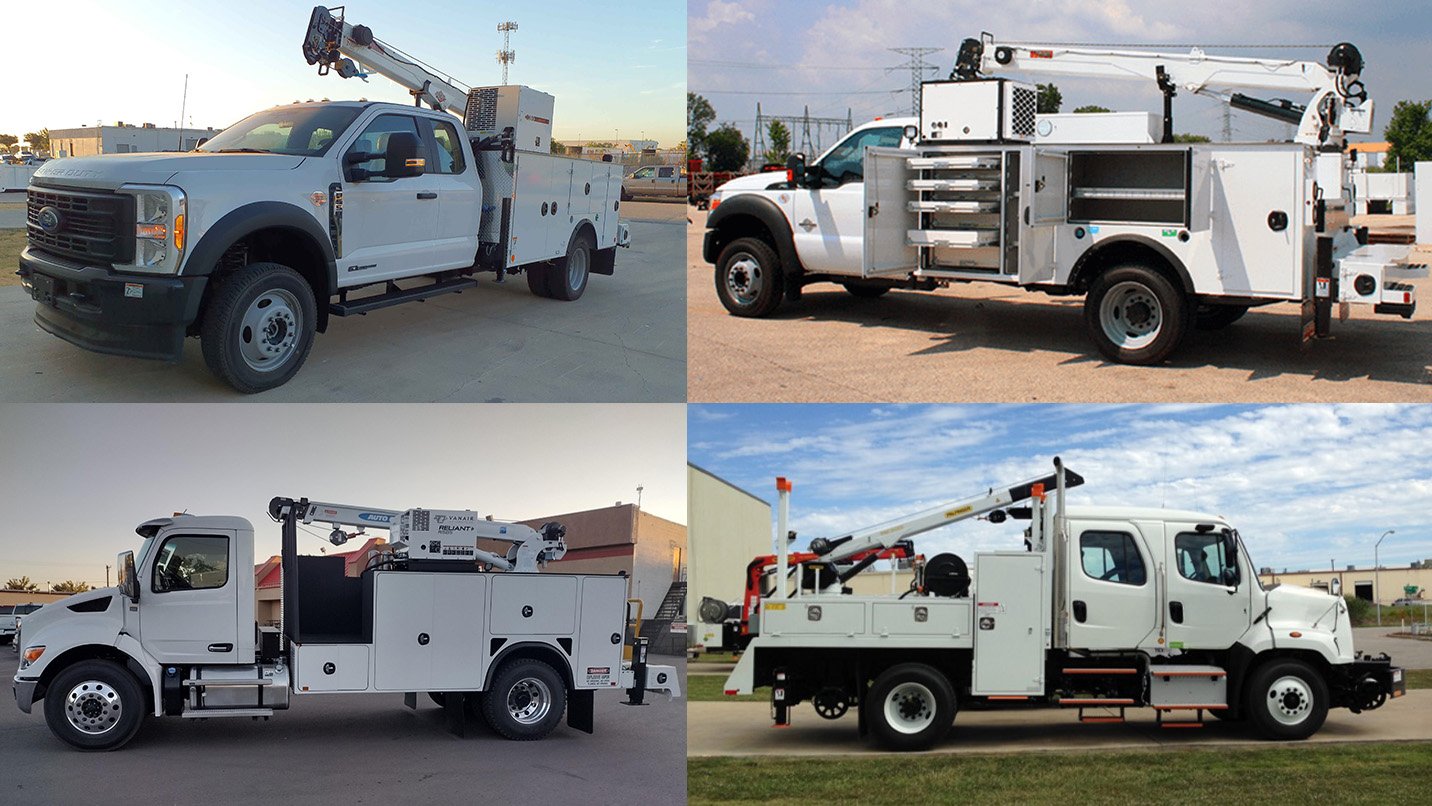
Vocational Fleets: Turning Upfits into Daily Uptime
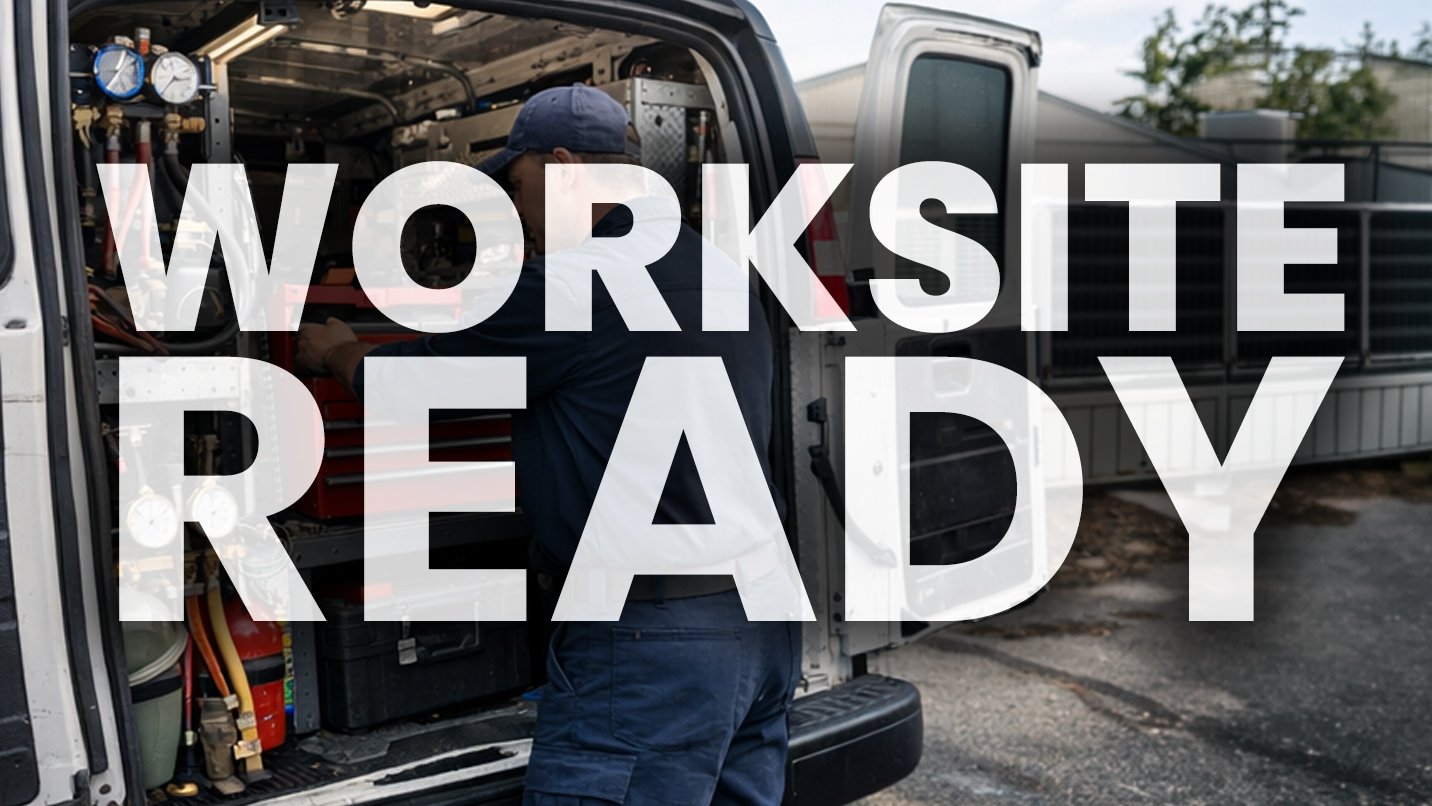
Vocational fleets rely on purpose‑built trucks and vans to support daily operations. From HVAC service calls and utility work to construction and other field‑based applications, these vehicles are tools first and transportation second. When they are not configured correctly for day-to-day operations, the impact is felt immediately in productivity, safety, and downtime.
Getting vehicles into service quickly matters, but ensuring they are properly equipped to perform the job matters even more. For vocational fleets, early vehicle specification and sourcing decisions determine whether vehicles arrive prepared to work or require reconfiguration, workarounds, or repeated service interruptions once deployed.
The Cost of Getting Vehicle Specs Wrong
Specification decisions made early in the vehicle lifecycle shape how assets perform day after day. When those decisions miss the mark, the consequences extend well beyond initial delivery.
Vocational fleets operate in demanding environments where even small misalignments in vehicle layout, component selection, or equipment compatibility can disrupt daily work. Poor access to tools, insufficient payload capacity, or improperly designed storage can slow jobs, frustrate drivers, and introduce safety risks. Over time, these issues compound, leading to increased wear on components and more frequent downtime.
In many cases, the root cause is not how the vehicle is maintained, but how it was specified in the first place.
How Upfit Choices Affect Daily Performance
Upfit and configuration choices directly influence how effectively a vehicle supports the job at hand. These decisions determine whether drivers can work efficiently or are forced to adapt around the vehicle.
Ergonomic designs reduce unnecessary reaching, lifting, and repositioning throughout the day, helping limit fatigue and reduce injury risk. Material selection impacts both durability and payload, affecting how much equipment can be carried without exceeding limits. Storage design influences how quickly crews can access tools and complete tasks on site.
Vehicles that are under‑specified to reduce upfront costs often introduce higher operating expenses later, through reduced efficiency, premature component wear, and more frequent interruptions to address preventable issues.
Driver Experience and Job Readiness
For vocational fleets, driver comfort and usability are not secondary concerns. They directly influence behavior, adoption, and performance.
When vehicles are designed around real workflows, drivers are more likely to use equipment properly, maintain organization, and complete tasks efficiently. Conversely, poorly specified vehicles can lead to workarounds, skipped safety steps, and inconsistent operation from one driver to the next.
Job readiness is achieved when a vehicle enters service equipped to support the tasks required that day, without modification or adjustment. This readiness depends on understanding how the work is performed and translating that knowledge into practical vehicle specifications before orders are placed or builds begin.
Taking a Spec‑First Approach
A successful vocational fleet strategy begins with treating vehicle specifications as foundational decisions rather than administrative steps. That means aligning configurations to actual job requirements, not assumptions or legacy builds.
This approach emphasizes:
- Clarifying how work is performed in the field
- Aligning input across operations, procurement, safety teams, and drivers
- Selecting components and layouts that support those workflows
- Standardizing specifications where appropriate without sacrificing functionality
- Validating configurations before wide deployment to limit rework
When specification decisions are handled deliberately and consistently, fleets spend less time reacting to downstream issues and more time operating consistently in the field.
Pressure‑Testing Your Specification Strategy
The questions below can help evaluate whether your current vehicle specifications support the work being performed or introduce avoidable friction:
- Do vehicle configurations reflect how equipment is used at the job site?
- Are layouts and storage designed to minimize repeated strain and inefficiency?
- Does payload capacity align with real‑world equipment and material needs?
- Have similar vehicles delivered consistent performance across applications?
- Where have retrofits or rework been required after vehicles entered service?
- Are specifications documented clearly enough to support repeatable builds?
The Takeaway
Uptime doesn’t begin at deployment. It’s determined by how vehicles are specified, configured, and sourced for the work they’re expected to perform.
Fleets that prioritize thoughtful, job‑driven specifications reduce downtime, improve driver performance, and extend the useful life of their assets. When vehicles are built right from the start, they arrive ready to work and stay productive where it matters most: at the job site.
Learn More
For additional fleet insights, visit our Resource Center.
Related Resources
Explore more related industry news, insights, and developments.