-
What We DoFrom fleet management and productivity solutions to upfitting, fabrication, and insurance, Holman has the integrated automotive services expertise to keep your business moving.OVERVIEW

-
SolutionsWith a strategic solution that works for you and your business, you can unlock revenue-generating opportunities and begin managing your fleet as an investment.Overview
Solutions by IndustryHolman's fleet expertise covers nearly every vertical industry. No matter your field, we can meet your fleet challenges head on.Solutions by Industry
 Personalized SolutionsEvery company has its own unique set of challenges and considerations when it comes to fleet management. Holman offers customizable solutions to fit your needs.Build Your Own
-
ResourcesWe have a lot to share. Browse our resources library for current insights, data, strategies, and success stories from our own experts in their respective fields.Overview
-
About UsWhen Holman was founded in 1924, we set something positive in motion. Our consistent focus on people and our commitment to integrity make us who we are today.Overview
 Join Our TeamWe’re not just in the automotive business, we’re in the people business. Join us for the ride.Browse Careers

Revolutionizing Fleet Maintenance: A Holman Case Study on Cost Savings
FLEET BRIEF
Value Focus:
Internal Benchmarks

Goal:
Create alignment across fleet
Vehicle Type:
Vans and light duty trucks
Industry:
General Services
THE CHALLENGE:
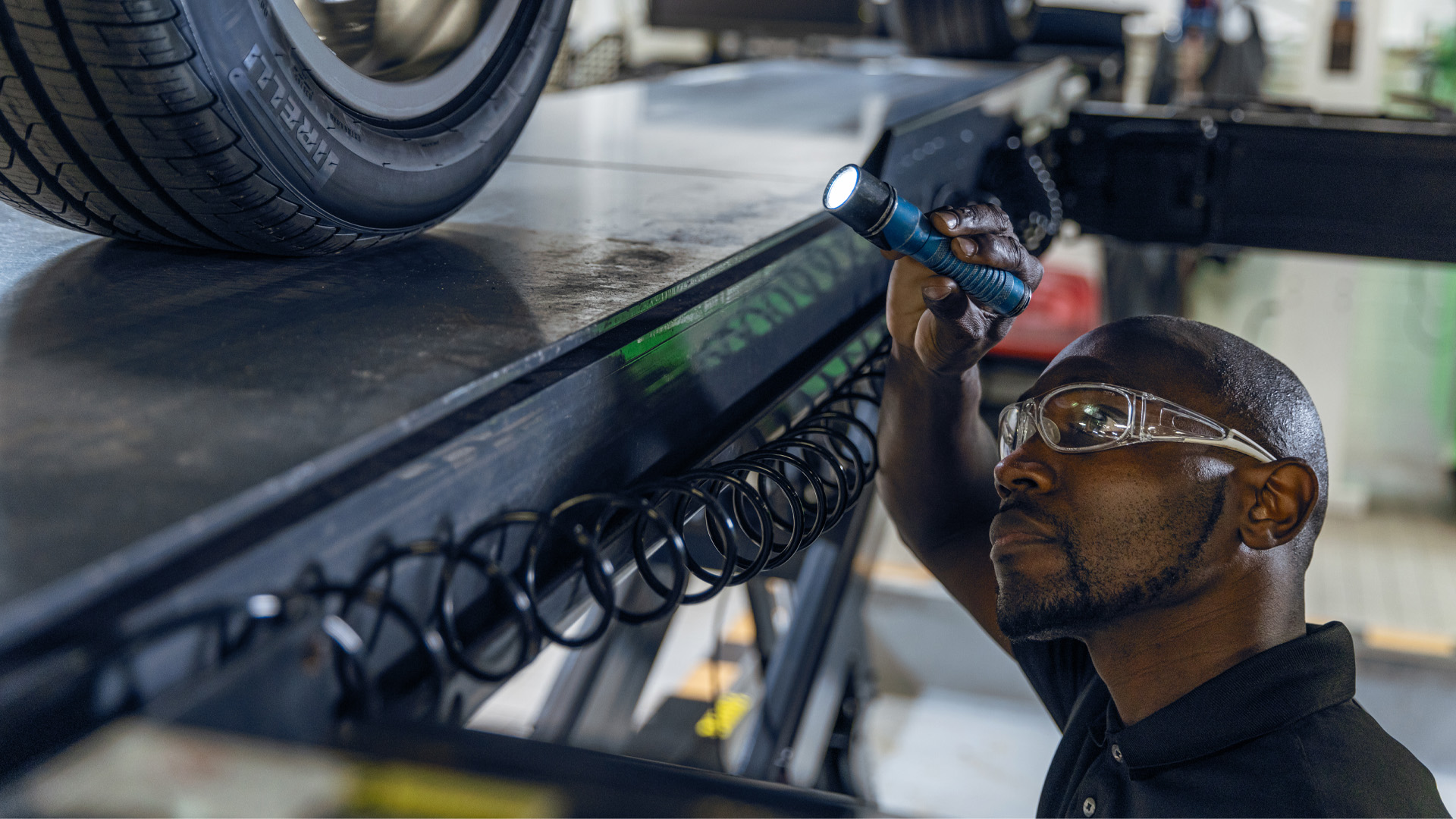
Measuring vehicle maintenance efficiency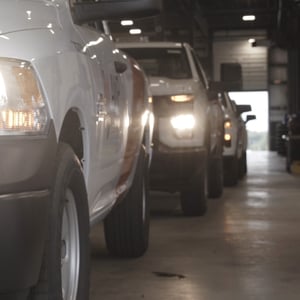
Due to a client’s business model serving over 700,000 customers in 34 states across the US, its fleet struggled to track improvements to its practices as it aged. As a result, the fleet management team needed to realign to the overall company goals. After a Holman business review in 2021, the company was interested in identifying key metrics for the next three years that would be measured and benchmarked for success. Holman and the client assembled a small team of fleet experts responsible for chartering the change initiative to manage trends and fleet maintenance costs. Vendor usage expense, major component failures, and fuel usage trends were all critical areas of concern.
THE SOLUTION:
Use data to change driver patterns
The team at Holman worked with the organization to create a tailored scorecard to track preferred national account usage, preventative maintenance compliance, and possible fuel fraud transactions. Based on the assessment, today, the client’s fleet team operates using the scorecard as a baseline metric for more than 200 decision-makers across multiple locations within the organization. This scorecard has created advanced analytical capabilities with the company’s historical data, driving continuous improvement, sustainable cost reduction, and proactive risk management.
BUSINESS RESULTS:

In total, from 2022 to August 2023, by switching to preferred national accounts, the client saw about $13,000 (5%) savings in their total spend, which is equivalent to 86 free tires. Some locations even saw a total savings of up to 9%.

In terms of their lube, oil, and filter spend, the client saw a total of $19,000 (11%) in savings, which is equivalent to 273 free oil changes.
Using the fuel scorecard to compare the months of January and June of 2022 and 2023, fuel exceptions decreased by 65%, resulting in $360,000 in fuel savings (75% reductions in cost related to exception).
Looking forward, the client will continue to invest in the health of their fleet in response to the changing climate of the supply chain industry. The scorecard’s flexibility leaves future possibilities open to add new categories that encompass other vehicle programs in real-time.
How does data drive your decision-making today?
Next Post
Holman Fleet by the Numbers 2024Related Resources
Explore more related industry news, insights, and developments.