-
What We DoFrom fleet management and productivity solutions to upfitting, fabrication, and insurance, Holman has the integrated automotive services expertise to keep your business moving.OVERVIEW

-
SolutionsWith a strategic solution that works for you and your business, you can unlock revenue-generating opportunities and begin managing your fleet as an investment.Overview
Solutions by IndustryHolman's fleet expertise covers nearly every vertical industry. No matter your field, we can meet your fleet challenges head on.Solutions by Industry
 Personalized SolutionsEvery company has its own unique set of challenges and considerations when it comes to fleet management. Holman offers customizable solutions to fit your needs.Build Your Own
-
ResourcesWe have a lot to share. Browse our resources library for current insights, data, strategies, and success stories from our own experts in their respective fields.Overview
-
About UsWhen Holman was founded in 1924, we set something positive in motion. Our consistent focus on people and our commitment to integrity make us who we are today.Overview
 Join Our TeamWe’re not just in the automotive business, we’re in the people business. Join us for the ride.Browse Careers

Navigating the EV Landscape: What Recent Legislation Means for Fleets
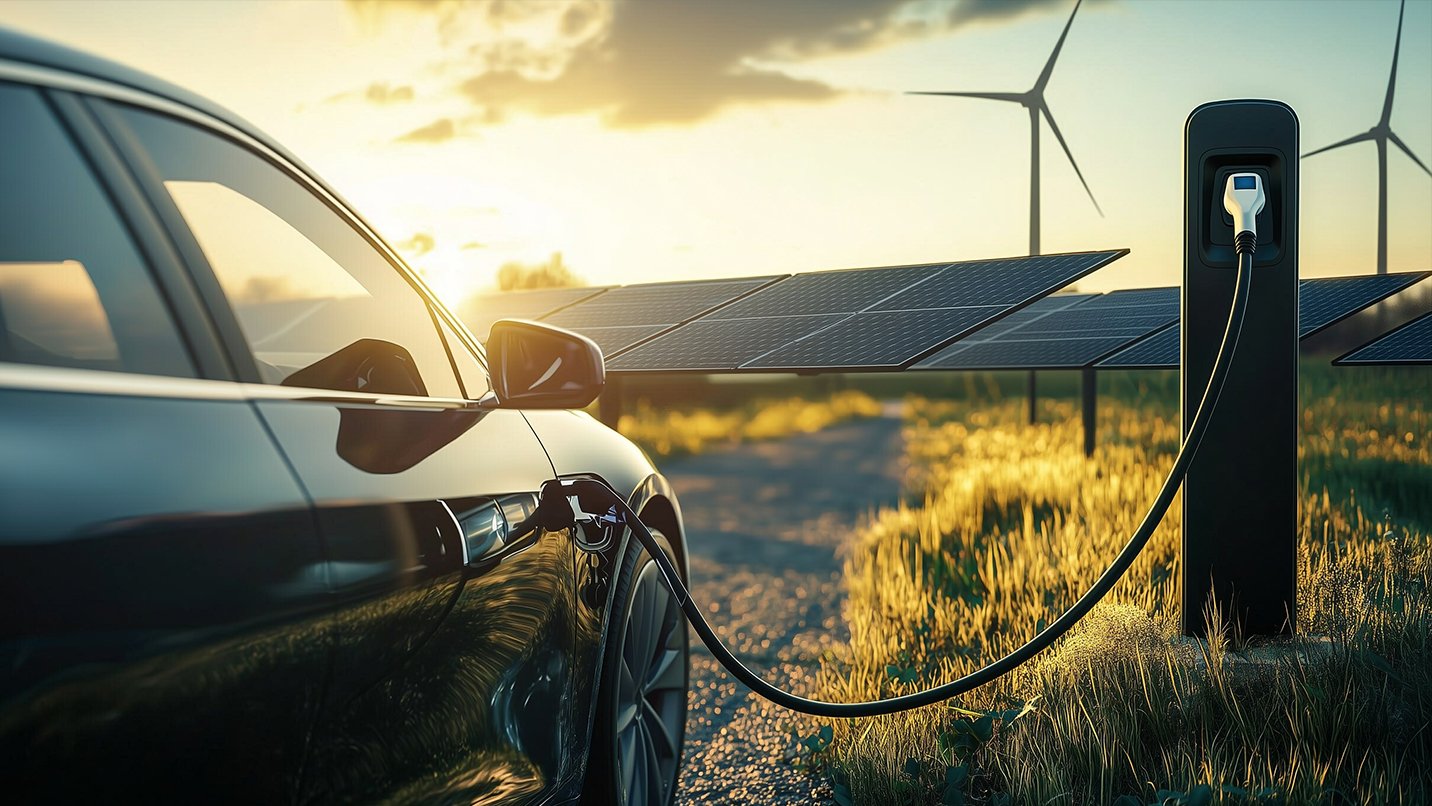
The electric vehicle (EV) landscape is shifting, prompting some fleet operators to reassess their EV strategies. A series of recent policy changes, including the elimination of EV tax credits and looming regulatory deadlines, are reshaping the road ahead for fleet electrification.
While these developments may slow the pace of EV adoption, they don’t signal a full stop. Instead, they mark a turning point—one where strategy, sustainability, and flexibility take center stage.
Three Key Policy Milestones Reshaping the EV Landscape
- “Big Beautiful Bill” passes (July 2025): This sweeping legislation eliminates many EV tax credits and funding programs, including those supporting infrastructure and vehicle purchases.
- Advanced Clean Cars (ACC II) hits a roadblock (May 2025): This regulation, which set targets for 100% zero-emission vehicle (ZEV) sales by 2035 in California and 11 other states, has been effectively eliminated due to policy shifts and legal challenges.
- California withdraws ACF waiver request (December 2024): The ACF rule, which would have required fleets of 50 or more vehicles to transition to 100% ZEVs by 2035, is effectively paused. Public sector fleets, however, are still subject to CARB ACF rules. As of this writing, and for the near future, non-government fleet operators no longer need to plan for this legislation.
What This Means for Fleets
These changes bring short-term clarity but also long-term complexity. Many fleets had already begun investing in EVs and infrastructure based on anticipated regulations and incentives. Now, with those incentives rolled back, the business case for electrification must evolve.
Here’s how fleets can adapt:
- Act Now to Capture Remaining Incentives: With EV tax credits set to expire on September 30, fleets should move quickly to purchase or lease eligible vehicles and take advantage of incentives for which you may qualify.
- Refocus on Sustainability Goals: With fewer financial incentives, EV and alt-fuel adoption should be driven by corporate social responsibility (CSR), emissions targets, and long-term environmental strategies, not just ROI.
- Explore Alternative Fuels: EVs remain a key part of the future, but they’re not the only option. Fleets may want to consider evaluating other low-emission technologies, such as renewable diesel, hydrogen, or hybrid solutions.
- Stay Agile: State-level emissions plans are still evolving, especially in CARB-aligned states. Fleets should monitor these developments and OEM shifts toward low-NOx diesel tech, which may still enter the market.
- Maximize Existing Investments: Even with policy shifts, early investments in EVs and infrastructure can still deliver value, especially as OEMs continue to expand their zero-emission offerings.
The Road Ahead
The path to fleet electrification is no longer paved with incentives, but it’s still open. Fleets that take a thoughtful and intentional approach to reducing their carbon footprint will be better positioned to adapt to future regulations, market shifts, and evolving customer expectations.
Related Resources
Explore more related industry news, insights, and developments.