-
What We DoFrom fleet management and productivity solutions to upfitting, fabrication, and insurance, Holman has the integrated automotive services expertise to keep your business moving.OVERVIEW

-
SolutionsWith a strategic solution that works for you and your business, you can unlock revenue-generating opportunities and begin managing your fleet as an investment.Overview
Solutions by IndustryHolman's fleet expertise covers nearly every vertical industry. No matter your field, we can meet your fleet challenges head on.Solutions by Industry
 Personalized SolutionsEvery company has its own unique set of challenges and considerations when it comes to fleet management. Holman offers customizable solutions to fit your needs.Build Your Own
-
ResourcesWe have a lot to share. Browse our resources library for current insights, data, strategies, and success stories from our own experts in their respective fields.Overview
-
About UsWhen Holman was founded in 1924, we set something positive in motion. Our consistent focus on people and our commitment to integrity make us who we are today.Overview
 Join Our TeamWe’re not just in the automotive business, we’re in the people business. Join us for the ride.Browse Careers

The Trends & Challenges Influencing Today’s Supply Chain
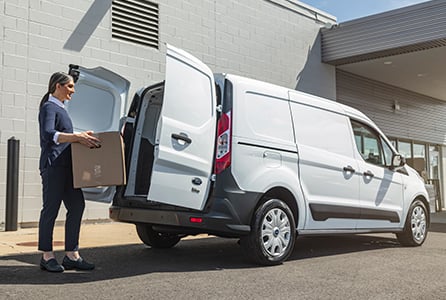
Although the automotive supply chain continues to rebound, many fleet operators find themselves still trying to catch-up on new vehicle orders after three-plus years of limited availability. Not only are most fleet operators working to acquire their typical annual allotment of new vehicle orders, they’re also trying to replace existing units that have remained in service much longer than originally forecast. That being said, manufacturers and upfitters simply cannot produce vehicles quickly enough to meet this pent-up demand, and while order-to-delivery times are improving, the industry isn’t out of the woods just yet.
Recently, Holman’s Brad Blanco spoke with Work Truck to offer some insight on the current landscape of the automotive supply chain and highlight the trends and challenges influencing order-to-delivery times. In the article, Brad stresses that seamless collaboration and communication with your supply chain partners is key to getting vehicles on the road as quickly as possible, particularly as new models come to market.
“This all really speaks to the importance of understanding precisely how a particular unit will be used and having strategic conversations with your upfit partner to ensure the unit is properly spec’d to avoid unnecessary delays.”
Brad also shares that a growing number of fleet operators are opting to standardize their upfit packages across various vocational units (where feasible) in an effort to get vehicles into service faster. He notes that while it is still important that you upfit each vehicle for its intended function, standardization can help optimize production timelines, and the simplicity allows for greater flexibility, especially if a particular vehicle model is delayed or unavailable.
“If you can standardize the number of upfit solutions in your catalog, you’ll have greater flexibility to shuffle units across your fleet to areas or roles where the vehicle is needed most.”
Visit WorkTruckOnline.com to read the entire article and be sure to subscribe to the Morning Brake newsletter to get the latest supply chain news and industry updates delivered right to your inbox.
Next Post
Embracing the Potential of TelematicsRelated Resources
Explore more related industry news, insights, and developments.