Fall Driving Hazards and How You Can Keep Your Fleet Safe
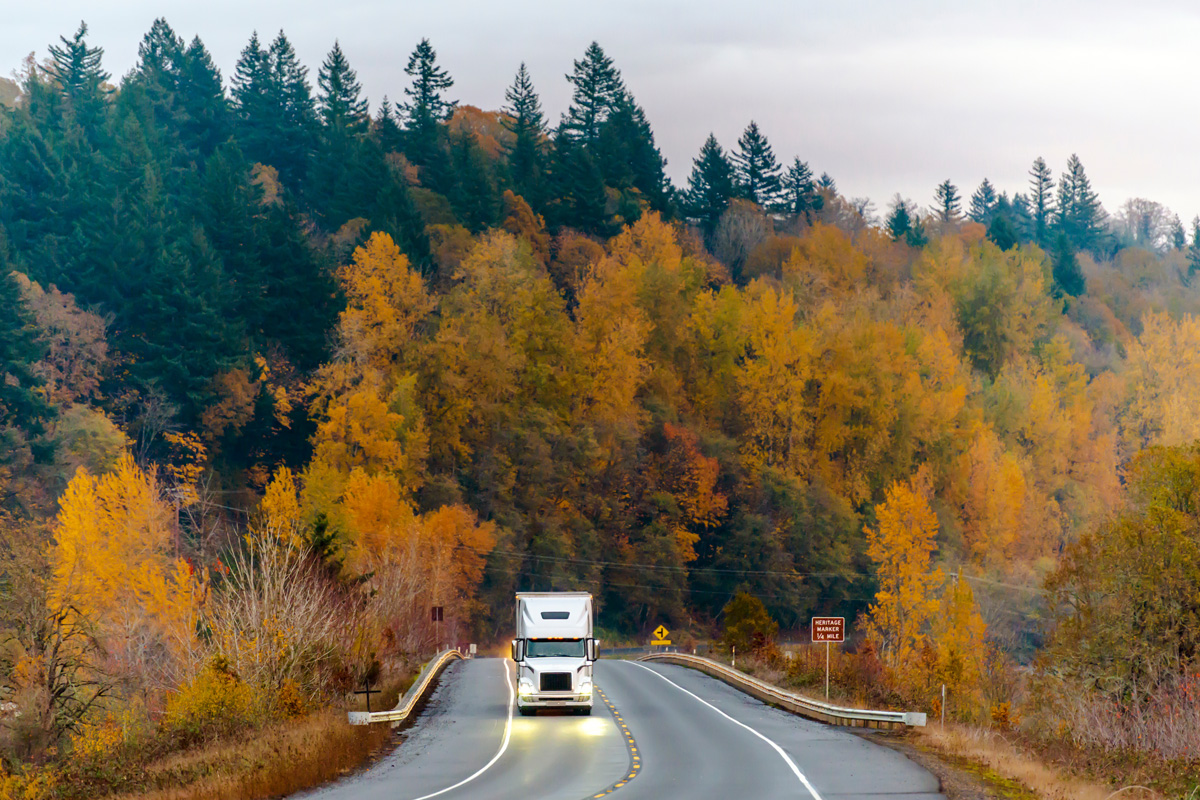
As the seasons change, you’re already familiar with the need to adjust driving practices and safety protocols. Fall, with its mix of wet roads, limited visibility, and increased wildlife activity, introduces specific challenges that can lead to accidents, vehicle damage, and unexpected downtime. By addressing these hazards proactively, you’ll not only protect your drivers but also maintain the efficiency and of your fleet operations.
Here’s how you can tackle these seasonal risks:
- Fallen Leaves and Wet Roads
Wet leaves can create slippery, ice-like conditions. When combined with rain, they can lead to hydroplaning. To mitigate the risk of these conditions, equip your drivers with seasonal safety training that emphasizes caution on leaf-covered roads. Instruct them to reduce speed, increase following distances, and avoid parking on piles of dry leaves, which pose a fire hazard.
This is also a good time to remind your driver to check their tires and brake condition to ensure they can handle slippery conditions. - Sun Glare
During fall, the sun’s lower angle creates blinding glare, especially during morning and evening runs. This glare can obscure vision, leading to delayed reaction times and accidents. Make sure all fleet vehicles have clean windshields and your drivers have polarized sunglasses to maintain optimal visibility on the road. Also, remind drivers to anticipate sun glare, especially when driving toward the sunrise or sunset. - Foggy Mornings
Autumn’s cool nights and warm afternoons often result in dense fog, reducing visibility and making it difficult for drivers to maintain safe following distances. Foggy conditions are particularly hazardous for large fleet vehicles with longer stopping distances.
Train your drivers on proper fog-driving techniques, like using low beams or fog lights and maintaining safe speeds. Increasing following distance is critical here too. If you can adjust your routes to avoid these conditions, that’s even better. - Increased Wildlife Activity
Deer and other animals are more active during fall, especially near rural routes or highways.
“The increased risk of animal collisions is a serious safety concern,” said Craig Neuber, Senior Vice President of Service Operations at Holman. “We recommend integrating route planning software that identifies high-risk areas for wildlife crossings and suggests safer alternatives. If high-risk areas can’t be avoided, remind drivers to stay vigilant, especially in the early morning and late evening. Additionally, drivers should regularly receive formal training to ensure they are prepared to handle these, and other emergency situations that may arise on the road.” - School Traffic and Zones
With schools back in session, you’ll likely see more congestion in certain areas. For drivers on tight schedules, navigating school zones and residential streets can be tricky. Implement geo-fencing alerts for school zones to remind drivers to reduce speed and heighten awareness. Consider school hours in your route planning as well to avoid high-traffic times when possible.
Your Key Takeaway
Autumn has its challenges, but with the right preparation, you can keep your fleet running safely and efficiently. Whether it’s seasonal training, route adjustments, or keeping your vehicles in top condition, a proactive approach will minimize the risks. By addressing these fall hazards head-on, you can keep your drivers stay safe, your vehicles on the road, and your operations in the green—while you watch autumn leaves turn red.
Related Resources
Explore more related industry news, insights, and developments.