Preparing Fleet Operations for Extreme Weather
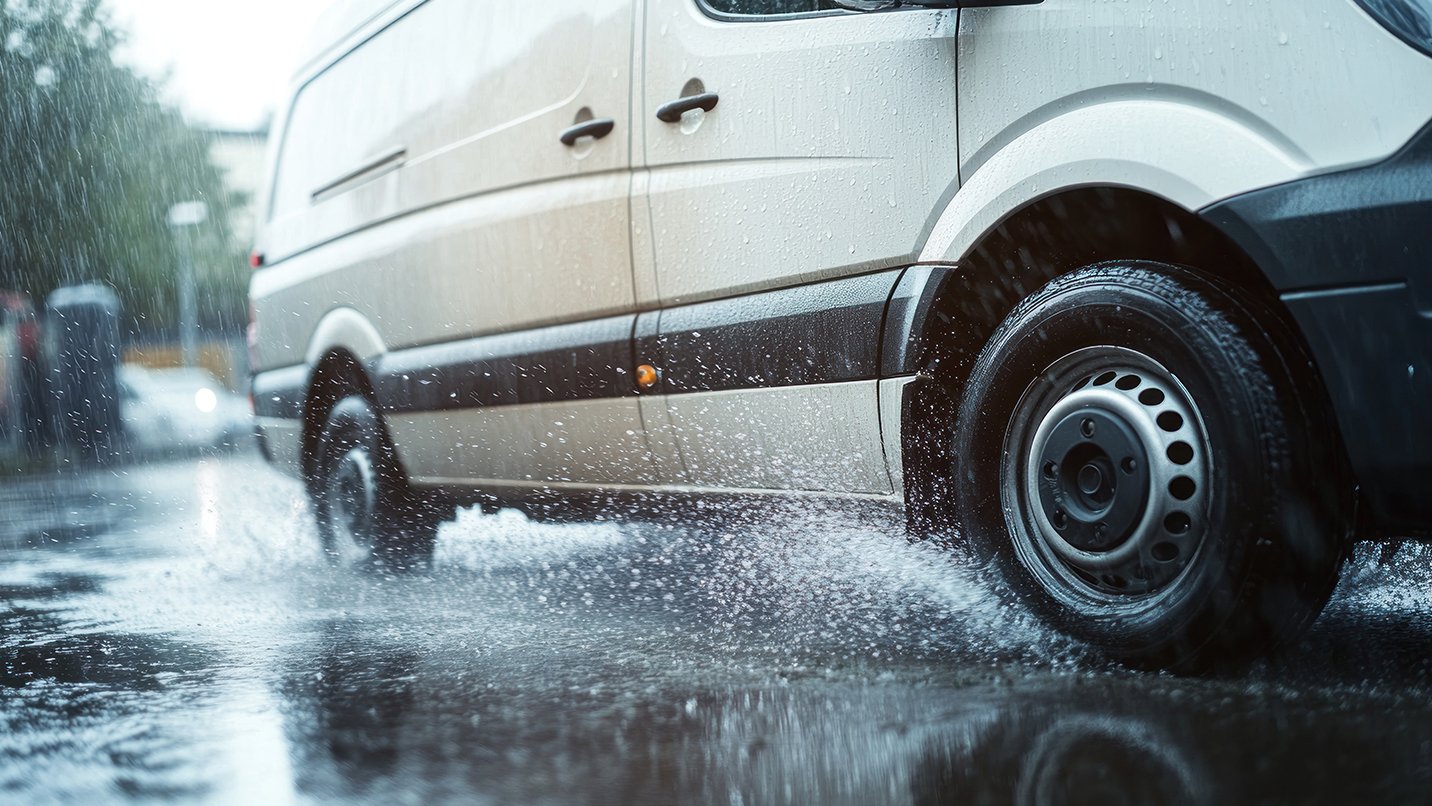
Across North America, severe weather events – extreme heat, flooding, wildfires, ice storms, blizzards, etc. – are creating significant operational challenges for fleet operators. With that in mind, weather resilience is quickly becoming a critical component of fleet management. Organizations that proactively assess their risk exposure, prepare vehicles and drivers accordingly, and incorporate weather-related considerations into operating decisions are better positioned to maintain safe, reliable, and cost-effective fleet operations.
Recently, Dylan Isbecque from Holman’s consulting services team spoke with Fleet & Mobility to offer advice on how companies can ensure their fleet is well positioned to withstand the impact of these extreme weather events. In the article, Dylan noted that wildfires pose a particular challenge for fleet operators as they can disrupt operating conditions across a large geographic region, potentially for an extended period. He also shared that extreme heat is another long-term risk that can drive maintenance costs higher and create workforce productivity challenges.
Dylan highlighted that severe weather typically impacts fleets by reducing vehicle availability, disrupting transportation networks, increasing maintenance requirements, affecting supply chains, and creating safety challenges for drivers. As these disruptions increase operating costs and hamper productivity, Dylan recommends a proactive approach to help mitigate the impact of extreme weather events.
As extreme weather events become more frequent, leading fleets are shifting their focus from recovery planning to proactive strategies that protect uptime, maintain service continuity, and minimize total lifecycle cost impacts.
To help fleets prepare accordingly Dylan suggested conducting a thorough seasonal risk assessment along with business continuity planning to establish vehicle readiness practices, driver safety procedures, and emergency response protocols. This proactive approach can help reduce downtime, avoid costly repairs, maintain productivity, and ensure service continuity during severe weather events.
To read the entire article, please visit FleetMobility.ca.
Related Resources
Explore more related industry news, insights, and developments.