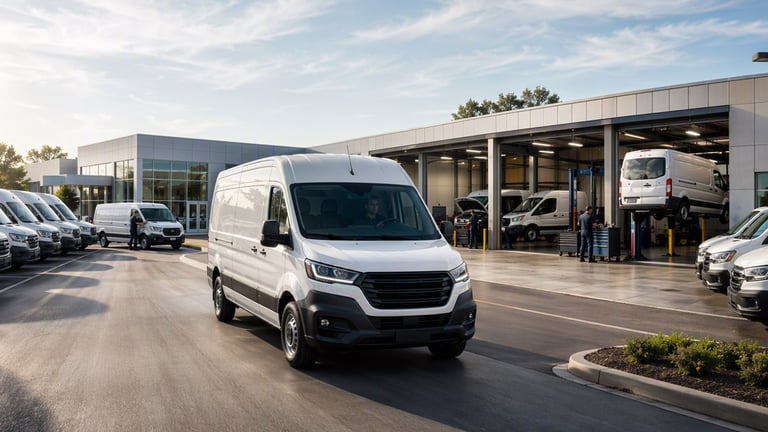
Why the Vendor Network Behind Your Fleet Matters More Than You Think

Fleet reliability depends heavily on maintenance and the vendors that support it. When those relationships are managed reactively, fleets can experience longer downtime, unpredictable costs, and repairs that result in repeat visits. And for vocational or nationally dispersed fleets, the problem scales with every new market you enter.
For most fleets, the issue isn’t finding vendors. It’s how those vendors connect into a network that delivers coverage, consistency, and capability across every market a fleet operates in. In this blog, we’ll explain what separates a managed vendor network from a list of shops—and why the difference matters for fleet uptime, cost control, and scale.
What Defines a Strong Vendor Network
When fleets evaluate maintenance programs, the vendor network often gets reduced to a single number: How many shops are in the network? That number tells you very little, however.
Here’s what actually matters:
Repair quality
A repair done right the first time gets a vehicle back on the road. A misdiagnosed issue creates a second visit, a second round of downtime, and a second invoice. Without a mechanism to manage vendor performance, fleets absorb these costs invisibly.
Geographic reach
Fleets that scale nationally or operate in remote areas often struggle with uneven geographic coverage and limited access to national chains. If the vendor network doesn’t reflect the fleet’s operating footprint, the result is longer routing times, increased towing, and more operational disruption.
Vocational expertise
A shop that services sedans may not have the equipment or certifications to handle medium-duty, heavy-duty, or specialty vocational assets. As fleet mixes evolve, the network has to keep pace. And when a strong vendor network works with a fleet consistently, they become familiar with its vehicles and operating parameters—helping get vehicles back on the road faster.
Pricing predictability
When every repair is a one-off negotiation, costs swing and internal teams spend time shopping quotes and disputing invoices instead of managing the fleet. Established vendor partnerships can also unlock volume pricing, giving fleets more predictable cost control.
These factors don’t operate independently. When one breaks down, the others feel it. Poor repairs lead to repeat visits, which drive up costs, extend downtime, and reduce productivity. A well-governed vendor network prevents these issues from compounding.
How Holman’s Vendor Network Delivers Coverage, Consistency, and Capability
Holman’s network is built so fleet managers don’t have to choose between breadth and quality.
Broad, flexible coverage across the U.S. and Canada
Holman provides access to over 100,000 maintenance vendors across North America, including national account partners, independent shops, and mobile service providers. It is an open vendor network, meaning drivers can use any vendor, anywhere, including local shops a fleet already trusts. This is especially valuable in rural markets where national-only coverage falls short.
Extensive vocational and heavy-duty expertise
Holman continues to expand national account relationships that support complex, vocational assets — ensuring specialized vehicles get routed to vendors with the right equipment and expertise.
Vendor recommendations built into the workflow
Holman helps drivers find the right vendor for the job through the driver app, vendor locator, and maintenance support teams — making it easier to use vendors with negotiated pricing and proven performance.
Centralized authorization and pricing controls
Every repair flows through a structured authorization process. ASE-certified technicians provide 24/7 support, reviewing repairs against vehicle history, warranty coverage, pricing guidelines, and client specific parameters. The result is consistent quality and fair pricing regardless of which shop performs the work.
Partner Connect® reduces friction at the point of service
Vendors open and close purchase orders online, receive faster authorizations, and get notified about upcoming PM and inspections for vehicles already in the shop through Partner Connect ®, Holman’s vendor connectivity tool. On the back end, a data analytics engine runs each line item through 120 quality checks before routing exceptions for technician review. That means less waiting and more working.
Active vendor governance
Holman monitors vendor behavior, flags questionable practices or risk, and restricts or replaces vendors that don’t meet standards — protecting fleet budgets and strengthening compliance controls across the network.
What This Means Day to Day
- Faster access to the right shop for the job — whether it’s a light-duty sedan in a metro market or a vocational truck at a remote site.
- More predictable repair quality, turnaround, and cost — centralized authorization and pricing controls reduce the variability that makes maintenance budgets unreliable.
- Less administrative burden — vendor selection, pricing negotiation, repair validation, and performance monitoring are handled within the program, freeing internal teams to manage the fleet.
- Greater confidence at scale — as fleets grow, enter new markets, or diversify vehicle types, the network grows with them. Coverage, consistency, and capability compound rather than degrade.
Strategic Value
A vendor network is easy to overlook when things are working. It becomes impossible to ignore when they’re not. The fleets that treat their vendor network as strategic infrastructure — not just a list of available shops — are the ones that maintain more predictable costs, more consistent uptime, and more confidence as operations grow.
Next Post
From Spec to Job-Ready—With Fewer DelaysRelated Resources
Explore more related industry news, insights, and developments.