-
What We DoFrom fleet management and productivity solutions to upfitting, fabrication, and insurance, Holman has the integrated automotive services expertise to keep your business moving.Overview

-
ResourcesWe have a lot to share. Browse our resources library for current insights, data, strategies, and success stories from our own experts in their respective fields.Overview
-
About UsWhen Holman was founded in 1924, we set something positive in motion. Our consistent focus on people and our commitment to integrity make us who we are today.Overview
 Join Our TeamWe’re not just in the automotive business, we’re in the people business. Join us for the ride.Browse Careers

5 Ways to Improve Fuel Efficiency Across Your Fleet
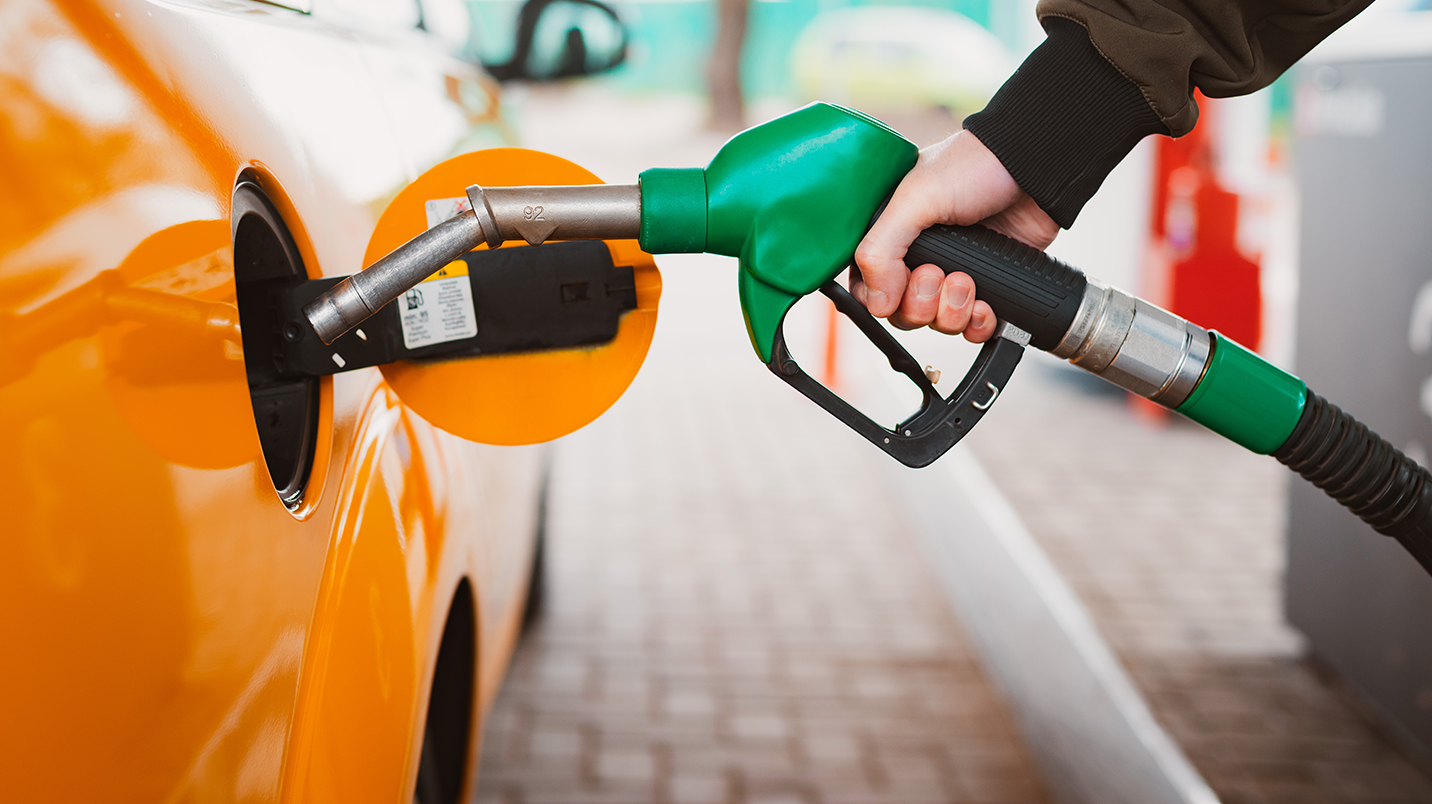
Fuel remains a significant operating cost for many fleets, and diesel costs recently reached an all-time high. While fleets can’t control the price of fuel, there are many steps they can take to improve fuel efficiency and keep drivers on the road.
From driver behaviour and vehicle maintenance to vehicle choice, small changes across your fleet can contribute to greater fuel efficiency and help manage overall operating costs.
1. Reduce Unnecessary Idling
Encourage drivers to turn off the engine when the vehicle is stationary, such as stopping to make a delivery. Where vehicles are fitted with Start/Stop technology, drivers should make use of it to help reduce idling.
Often underestimated, excessive idling can have a significant impact on fuel consumption across a fleet. Idling occurs when a vehicle’s engine is running while the vehicle remains stationary, whether while sat in traffic or during quick stops.
The potential impact can quickly add up. Research from Geotab found that, “of every litre of fuel burned in London by passenger vehicles, 13.6% is consumed while stationary.” Reducing unnecessary idling is therefore a simple driver behaviour change that can help fleets cut wasted fuel and improve overall efficiency.
2. Encourage Smooth Driving Habits
Encouraging drivers to accelerate steadily, maintain safe speeds and anticipate potential traffic can help reduce unnecessary fuel consumption.
Driver engagement can play an important role in supporting these behaviours. Regular feedback, targeted training, and driver incentive programmes can help encourage more efficient driving habits. Telematics and driver performance data can also provide valuable insight into behaviours such as harsh acceleration, excessive speeding, and unnecessary braking, helping fleet managers to spot opportunities for driver coaching.
Holman’s Riskmaster solution is designed to effectively identify drivers whose driving habits could be improved upon and support them by assigning relevant training to help them follow best practices. As a result, behaviours that are linked to excess fuel consumption can be reduced in number.
3. Keep Vehicles Properly Maintained
Follow a planned maintenance schedule and address potential issues early to help keep vehicles operating efficiently and as intended.
A proactive approach to maintenance doesn’t just support vehicle availability and reliability. Keeping vehicles in good working order can also play an important role in supporting fuel efficiency.
Depending on the vehicle and manufacturer recommendations, areas to consider include:
- Regular oil checks and servicing
- Fuel-system maintenance
- Air-intake system maintenance
- Cooling-system checks
- Emissions-system maintenance
- Battery and electrical system checks
- Inspection of belts and hoses
- Tyre condition and pressure checks
Regular checks and preventative maintenance can help identify potential issues before they develop into larger problems, while supporting vehicle efficiency, reliability and availability.
4. Reduce Vehicle Weight Where Possible
Encourage drivers to remove equipment, tools and other items they don’t need for the journey, including roof-mounted equipment.
Whether carrying passengers or commercial goods, fleet vehicles often travel with additional loads. Carrying unnecessary weight increases the energy required to move the vehicle, which can negatively affect fuel efficiency.
Regularly reviewing what is carried in vehicles and removing unnecessary items can help reduce energy consumption and keep running costs down.
5. Consider the Right Vehicle Mix
Regularly assess whether the vehicles in your fleet remain the right fit for their role, journeys and operational requirements.
Improving efficiency isn’t just about how vehicles are driven and maintained. Vehicle choice can also play an important role.
For some applications, this could include introducing electric vehicles where journey profiles, charging infrastructure, and suitable electric alternatives support the change. Electrification may not be right for every vehicle or every operation today, but taking a data-led approach can help organisations identify where EVs could work and plan for future fleet requirements.
Holman EV Consult helps organisations assess EV suitability, charging requirements and operational impacts, supporting a transition at a pace that works for their business.
Improve Fleet Efficiency with Greater Visibility
Improving fuel efficiency isn’t about one big change. It’s about making smarter decisions across your fleet, every day.
From driver behaviour and vehicle maintenance to utilisation and vehicle choice, small improvements can add up. With the right data and insight, you can identify opportunities to reduce unnecessary fuel use, control operating costs and make better-informed decisions throughout the vehicle lifecycle.
That’s where Holman can help. Our fleet management solutions combine insight and expertise to help you understand your fleet, identify opportunities and drive better performance.
Discover how Holman can help you get more from your fleet today.
Related Resources
Explore more related industry news, insights, and developments.