-
What We DoFrom fleet management and productivity solutions to upfitting, fabrication, and insurance, Holman has the integrated automotive services expertise to keep your business moving.Overview

-
ResourcesWe have a lot to share. Browse our resources library for current insights, data, strategies, and success stories from our own experts in their respective fields.Overview
-
About UsWhen Holman was founded in 1924, we set something positive in motion. Our consistent focus on people and our commitment to integrity make us who we are today.Overview
 Join Our TeamWe’re not just in the automotive business, we’re in the people business. Join us for the ride.Browse Careers

6 Tips for Effective Fleet Tyre Management
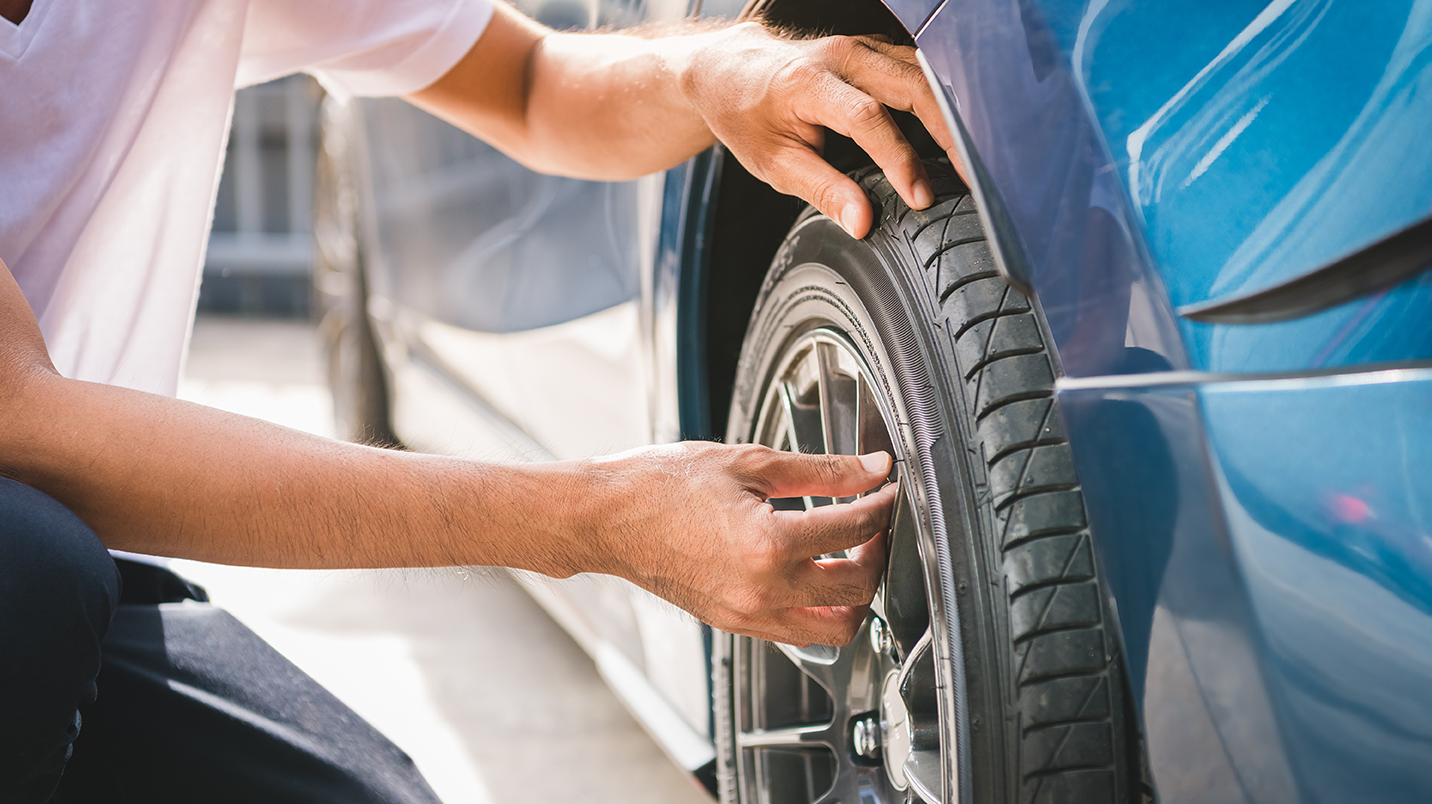
Tyres are one of the most overlooked assets in fleet management, yet they have a direct impact on safety, vehicle downtime, fuel efficiency and operating costs. As the only point of contact between a vehicle and the road, their condition can influence everything from compliance and driver safety to the overall performance and profitability of a fleet.
Taking a proactive approach to tyre management can help fleet managers reduce downtime, improve compliance, and keep vehicles on the road for longer. Here are six practical tips to help you get the most from your fleet’s tyres.
1. Ensure Tyres Are Appropriately Inflated
Maintaining the correct tyre pressure is one of the simplest ways to improve safety, reduce costs and maximise tyre life. Underinflated tyres increase rolling resistance, causing vehicles to consume more fuel and accelerating tyre wear. They can also affect handling and increase the risk of unexpected downtime. Fortunately, most modern vehicle models will notify drivers of low tyre pressure with a dashboard alert, making it easier than ever to know when tyres need to be reinflated.
According to the charity TyreSafe, tyres that are 20% underinflated can reduce fuel economy by up to 3%. Across a fleet spending £500,000 on fuel annually, that could mean £7,500* being lost every year on avoidable fuel spend alone, before considering the additional costs associated with accelerated tyre wear and unplanned maintenance. Ensuring your drivers know how to accurately inflate tyres while on the road and carrying out routine checks are two ways of avoiding the true costs of underinflated tyres.
* If tyres are underinflated by 20%. Average fleet wide impact is 1.5%.
2. Check Wheel Alignment Regularly
Correct wheel alignment ensures tyres always have the optimal contact with the road surfaces. When wheels are misaligned, tyres can wear unevenly and may need replacing sooner than expected. Additionally, misaligned tyres can increase braking distances, reduce vehicle control, and increase the likelihood of blowouts, particularly at high speeds, all putting your drivers at an elevated risk of serious accidents and collisions.
According to TyreSafe, misalignment can reduce tyre life by as much as 25%. Misalignment can happen through everyday driving, whether that’s hitting a pothole, mounting a kerb, or travelling regularly on poor road surfaces.
Making wheel alignment checks part of your maintenance programme can help reduce the chances of accidents and decrease unnecessary tyre replacement costs while supporting vehicle safety and performance.
3. Inspect Tyres for Damage and Wear
Tyre damage can develop gradually and often goes unnoticed until it leads to a more serious issue. Potholes, mounting the kerb, and road debris can create cuts, bulges, tread separation, or sidewall damage, while objects such as nails and screws may result in slow punctures.
Regular tyre inspections help identify issues before they become costly repairs or roadside incidents. Drivers should be encouraged to carry out tyre checks before every journey, looking for signs of damage, excessive wear or embedded objects. To support this process, the Holman Driver App prompts drivers to complete mandatory checks before setting off, helping to identify issues early and reduce the risk of unexpected downtime.
4. Monitor Tread Depth
Tread depth is one of the simplest yet most important tyre checks. Worn tyres can compromise grip, braking and handling, particularly in adverse weather, increasing both safety and operational risks.
Although tyres remain legal until they reach 1.6mm (or 1mm for vehicles over 3,500kg), waiting until the last minute can lead to avoidable downtime, compliance concerns and emergency replacements. By monitoring tread depth regularly, fleets can plan ahead, control costs and keep vehicles safely on the road.
5. Understand the Impact of Driver Behaviour
The way a vehicle is driven can have a significant impact on tyre wear. Behaviours that place additional strain on tyres can shorten their lifespan and increase replacement costs.
Common causes of excessive tyre wear include:
- Harsh braking
- Rapid acceleration
- High-speed cornering
- Driving too quickly over speed bumps and uneven surfaces
- Repeated contact with kerbs
- Hitting potholes
- Excessive stop-start driving
- Improper seat positioning
By promoting safer driving habits and providing targeted driver training, organisations can reduce tyre wear while improving safety and vehicle efficiency. Through Holman’s Riskmaster programme, fleet manager gain greater visibility of driver and can assign high risk drivers targeted online training modules.
6. Plan Ahead for Tyre Replacement
There’s no fixed replacement schedule for tyres, as lifespan will vary depending on mileage, road conditions, vehicle type and driver behaviour. That’s why regular inspections and proactive maintenance are essential.
Monitoring tyre condition throughout a vehicle’s lifecycle allows replacements to be planned before issues develop into costly breakdowns or compliance risks.
As part of Holman’s Buy, Drive, Service, Sell approach, customers have access to an expert mobile tyre fitting service. This helps minimise minimise vehicle off-road time, supports compliance and reduces the need for expensive emergency call outs.
Build an Effective Tyre Management Strategy
Effective tyre management is about more than staying compliant. A proactive approach can improve driver safety, reduce fuel consumption, minimise unplanned downtime and maximise tyre lifespan.
So by following these six steps you gain a greater visibility of tyre performance all contribute to a more efficient fleet operation.
So remember:
- Ensure they’re inflated correctly
- Wheel alignment is correct
- Inspect them for Damage & Wear
- Tread is still legal
- Drivers are looking after them
- Plan ahead to minimise downtime
With Holman, you have a partner that can support you with our tyre management services including:
- Nationwide coverage
- 24/7/365 support
- Mobile fitting services
- A dedicated driver booking line
- Greater cost control and transparency into your data
Tyres can be one of the most overlooked opportunities to improve fleet performance, yet they directly influence safety, cost, efficiency and vehicle availability. As a key part of our four stage vehicle lifecycle approach, we help organisations turn tyre management from a reactive expense into a strategic advantage. Speak to our team today to uncover hidden savings, improve compliance and keep your vehicles safely on the road for longer.
Next Post
A Fleet Manager’s Guide to Driver SafetyRelated Resources
Explore more related industry news, insights, and developments.
