-
What We DoFrom fleet management and productivity solutions to upfitting, fabrication, and insurance, Holman has the integrated automotive services expertise to keep your business moving.Overview

-
ResourcesWe have a lot to share. Browse our resources library for current insights, data, strategies, and success stories from our own experts in their respective fields.Overview
-
About UsWhen Holman was founded in 1924, we set something positive in motion. Our consistent focus on people and our commitment to integrity make us who we are today.Overview
 Join Our TeamWe’re not just in the automotive business, we’re in the people business. Join us for the ride.Browse Careers

Latest ZEV Mandate Updates Explained
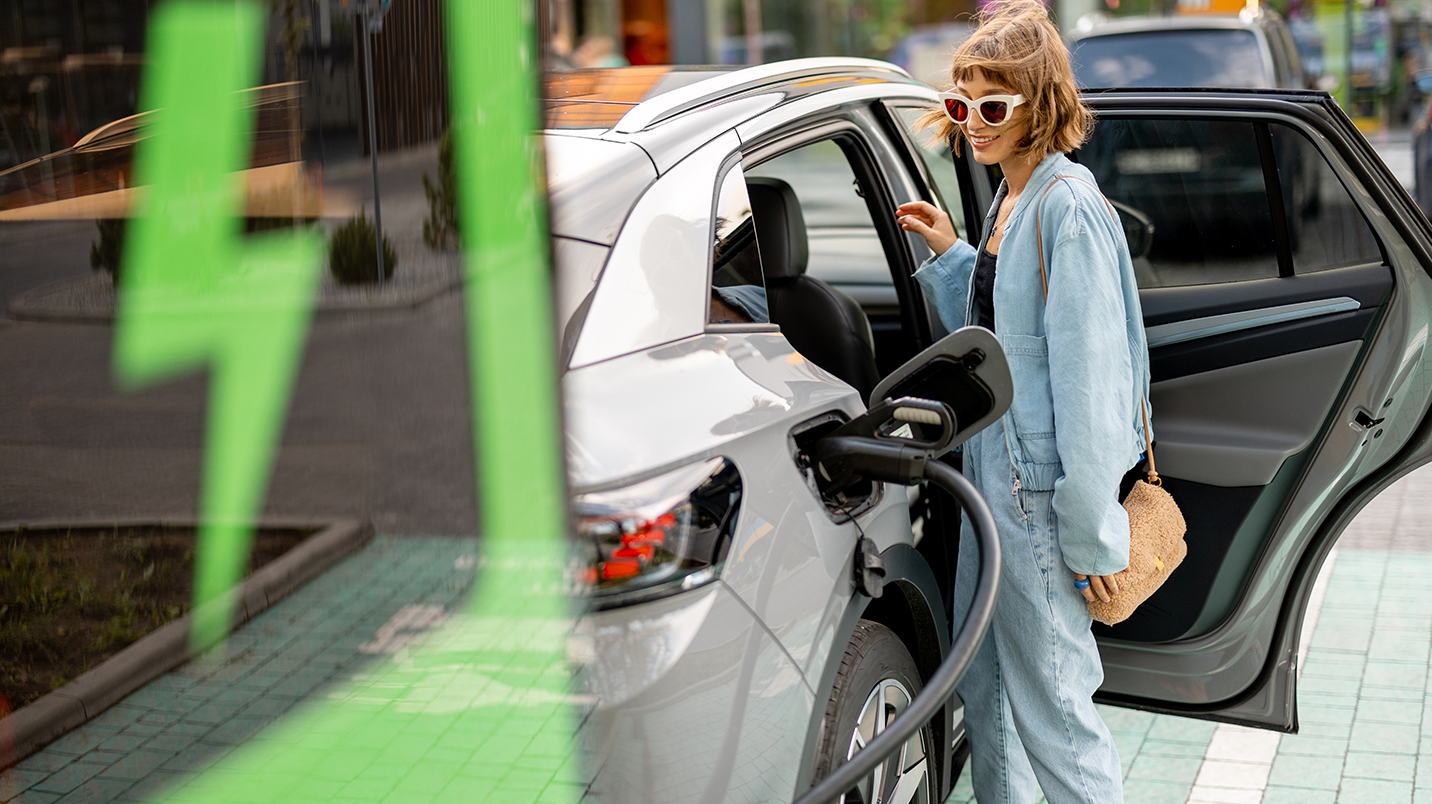
The UK Government has updated its Zero Emission Vehicle (ZEV) Mandate, introducing greater flexibility for manufacturers while keeping the country on track to phase out new petrol and diesel car sales by 2030. These changes follow the recent announcement of new US tariffs on imported goods, expected to impact global automotive supply chains and pricing.
Here’s a breakdown of what’s changed and what it means for manufacturers, fleets, and the path to electrification.
Key Changes to the ZEV Mandate
- ICE Van Extension: ICE vans, HEVs, and PHEVs can now be sold until 2035, giving fleets more time to adapt as electric van technology and infrastructure continue to improve.
- Hybrid Vehicles: Hybrid and plug-in hybrid vehicles (HEVs and PHEVs) can now continue to be sold until 2035, giving consumers and businesses more flexibility as the EV charging network expands.
- Exemptions for Small Manufacturers: Small and Micro vehicle manufacturers producing fewer than 2,500 vehicles per year, are now exempt from the 2030 ICE phase-out. This includes niche and specialist brands like Ariel, Morgan, Aston Martin, and McLaren.
- More Flexibility for Manufacturers: To ease short-term pressures, manufacturers now have several new options:
-
- Extended CO₂ Credit Use (until 2029): Manufacturers can use reductions in emissions from their 2021 baseline to offset ZEV targets.
- Car-Van Credit Transfers: 1 car credit can be exchanged for 0.4 van credits, and 1 van credit can be exchanged for 2 car credits.
- Reduced Penalties: The fines for failing to meet the ZEV mandate targets have been reduced by £3000 – from £15,000 to £12,000 per car and from £18,000 to £15,000 per van.
- Utility Factor Flexibility: PHEV’s can use the current, lower CO2 values until 2030 in ZEV Mandate calculations.
What this means for fleets
For fleet operators, these updates offer a more gradual transition to electric, particularly for those running ICE vans and hybrids, which helps with budget planning and phased rollouts. However, the longer-term availability of ICE vans will decline, which may drive up costs for fleets that delay electrification. Also, with the volatile market from the new tariffs, we may see manufacturers passing on these costs to consumers.
Ross Palman Project Lead – EV Product Development at Holman has said:
ZEV Mandate Update – Clarity, With Caveats
“The government’s updated ZEV mandate brings some much-needed clarity by reaffirming the 2030 target to end new ICE car sales. But with generous flexibilities, it feels more like a set of guidelines than hard rules – helpful for long-term planning, but unlikely to drive immediate action on its own.
For vans, the added flexibility arguably makes sense. While some fleets are already making strong progress with EVs, most models on the market are still adapted from diesel platforms. Purpose-built electric vans are only just beginning to emerge, with exciting new options coming soon from multiple brands including Kia, Flexis and Farizon offering better-suited solutions. This gives the sector time for the technology – and crucially, charging infrastructure – to catch up.
For drivers, particularly those without off-street parking, the lack of home charging consistency remains a key challenge. Encouragingly, solutions like Kerbo Charge and Charge Gully are showing promise, and we’re hopeful we’ll see more standardisation across the UK soon.
In short, the update gives the industry a helpful steer – but meaningful support for drivers will be essential if the UK is serious about delivering a successful EV transition.”
Looking Ahead
These updates reflect the government’s continued commitment to a zero-emission future, while recognising the practical challenges for businesses and the automotive industry. The added flexibility gives manufacturers and fleets more room to move -without losing momentum. However, to fully accelerate adoption, additional support for consumers, including further grants and other incentives could make a real difference.
If you’re looking to understand how these changes might impact your fleet, or want help building a practical, forward-looking EV strategy – we’re here to help.
Related Resources
Explore more related industry news, insights, and developments.