-
What We DoFrom fleet management and productivity solutions to upfitting, fabrication, and insurance, Holman has the integrated automotive services expertise to keep your business moving.Overview

-
ResourcesWe have a lot to share. Browse our resources library for current insights, data, strategies, and success stories from our own experts in their respective fields.Overview
-
About UsWhen Holman was founded in 1924, we set something positive in motion. Our consistent focus on people and our commitment to integrity make us who we are today.Overview
 Join Our TeamWe’re not just in the automotive business, we’re in the people business. Join us for the ride.Browse Careers

Why Fleets Must Act Now on the Rise of Automatic‑Only Drivers
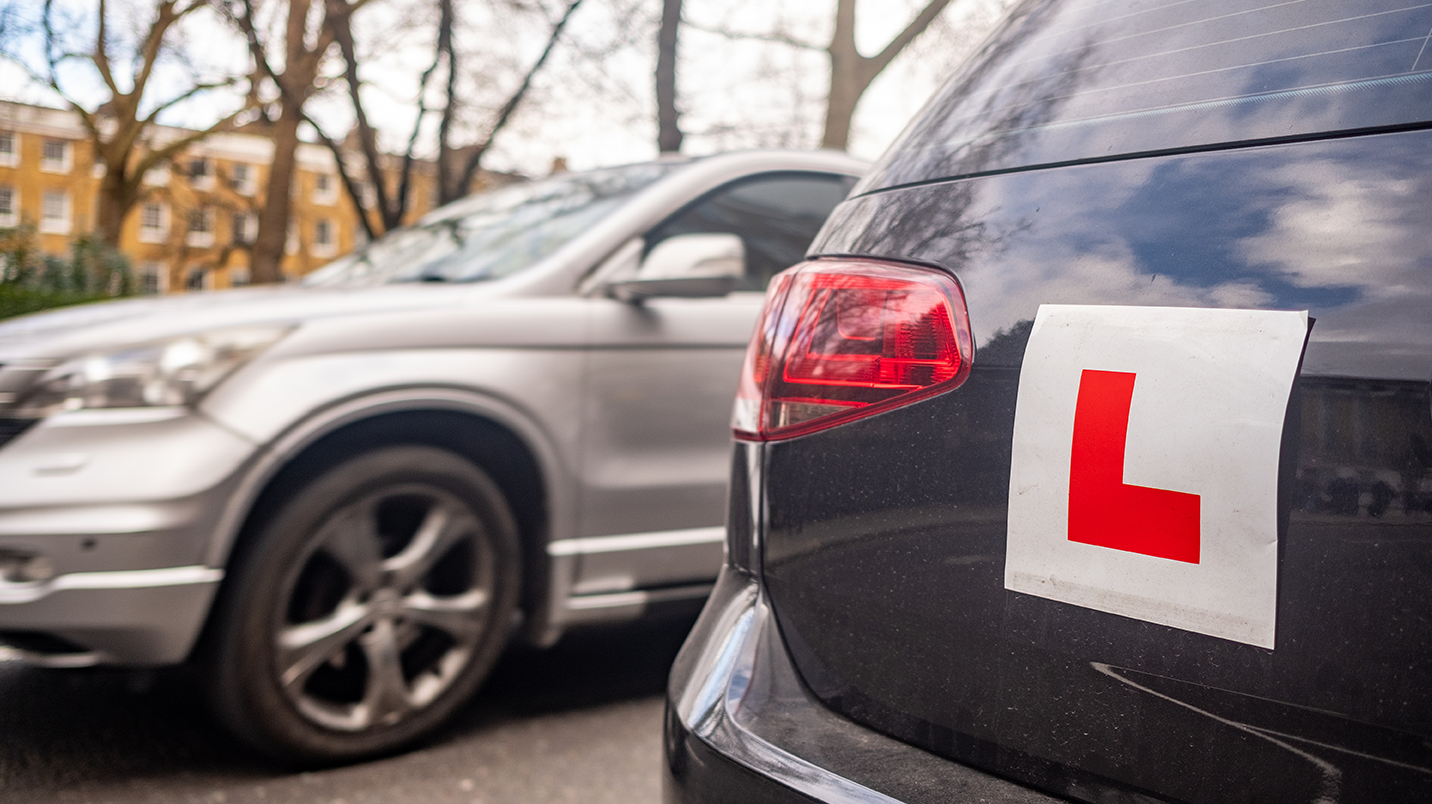
The conversation around EVs usually focuses on the big challenges: charging, vehicle choice, budgets, infrastructure. But there’s another shift happening quietly in the background – the number of new drivers holding manual licences is declining.
That means the future workforce may not be licensed to drive the ICE vehicles many fleets still expect to operate after 2030-2035. If overlooked, this could create real operational and compliance headaches over the next decade. If the people joining your organisation can’t legally drive your vehicles, you’ve got a challenge on your hands.
For organisations planning to run ICE vehicles into the 2030s, these risks are avoidable with a little early planning.
Automatic‑Only Is Becoming the Default for Young Drivers
A growing number of new drivers in the UK are choosing to learn and take their test in an automatic. Recent DVSA data shows one in four UK driving tests (around 26%) are now taken in automatics, up from just 6% a decade ago.
Why?
-
EVs are the new norm: learners increasingly expect their first car to be electric, and with EVs being automatic by design, manual skills feel unnecessary.
-
Automatic cars are easier to learn in, especially in start-stop, built-up areas, which means learners can pass their test quicker.
-
Driving schools are switching to EVs: with some moving towards fully electric learner fleets.
In other words, the next wave of employees may simply never learn to drive a manual.
Why This Matters for Fleets Now
With the UK’s ZEV Mandate ending the sale of new petrol and diesel cars and vans in 2035, manual licence holders will continue to decline, bringing several challenges for fleets:
-
Fewer employees will legally be able to drive manual or ICE vehicles, affecting job coverage, scheduling and specialist vehicle roles.
-
Recruitment becomes harder: A “full UK licence” no longer guarantees manual entitlement. You may need to specify it in job descriptions, narrowing the candidate pool.
-
Licence checking becomes more important: mixed fleets create mixed entitlement requirements.
-
Potential future licence reforms – such as a mandatory six‑month minimum learning period – may add further complexity (Brake).
Fleets Are Planning Vehicles, but Not Drivers
Many organisations have an EV roadmap. But how many have asked whether their people can operate the vehicles in that plan. Have you asked yourself:
-
Will our workforce still be licensed for our vehicle mix in five years?
-
Which roles depend on manual entitlement today?
-
How long will manual‑only vehicles realistically remain in our fleet?
-
Do our job descriptions and policies reflect future licensing realities?
Where Holman EV Consult Fits In
Rather than pushing EVs into your fleet before they’re viable, we focus on creating a transition plan that reflects the reality of your operations. Holman EV Consult reviews your fleet vehicle by vehicle to identify what’s ready for electrification now, what comes next, and what should stay ICE for the time being.
As more new drivers enter the workforce with automatic only licences, our approach helps your fleet evolve smoothly, strategically, and avoiding disruption.
You don’t need to electrify overnight, but you do need a plan that keeps your fleet aligned with the people who drive it.
Not sure where to start? Get in touch with our team, we’ll help you shape long term plans that keep your people and your vehicles moving forward together.
Next Post
A Year of Driving What’s RightRelated Resources
Explore more related industry news, insights, and developments.